




Installing a new wood floor in a classic truck bed is a rewarding project that significantly enhances the vehicle's appearance and value. Below is a step-by-step guide on the installation process.
Materials and Tools Needed
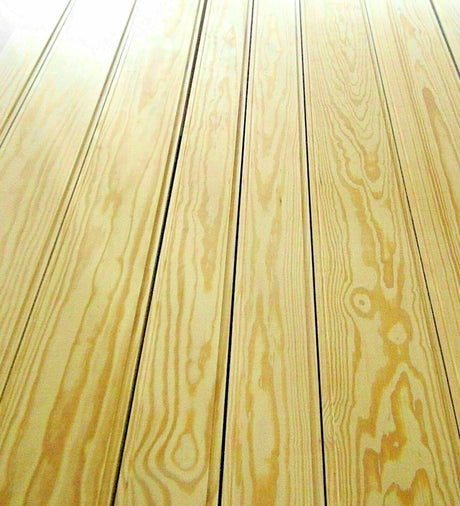
- Wood Plank Kit: Pre-cut and grooved (typically Oak, Pine, or Ash).
- Bed Strips: Polished stainless steel or painted steel.
- Hardware Kit: Bolts, washers, nuts, and specialized "carriage" bolts for the strips.
- Bed Wood Finish: Marine-grade spar varnish or polyurethane.
- Tools: Socket set, drill, tape measure, clamps, and a rubber mallet.
Step 1: Preparation and Finishing
Before installation, ensure your bed frame is clean, rust-free, and painted. It is highly recommended to seal and finish all sides of the wood planks (including the ends and inside the grooves) before they go into the truck. This prevents moisture from warping the wood later.
Step 2: Laying Out the Planks
Lay the wood planks into the bed frame to check for fit. Most kits have specific boards for the far left and far right sides (often wider or with unique notches).
Tip: Do not bolt anything down yet. Space them out evenly, leaving a small gap (usually 1/8 inch) between the boards for expansion.
Step 3: Aligning the Bed Strips
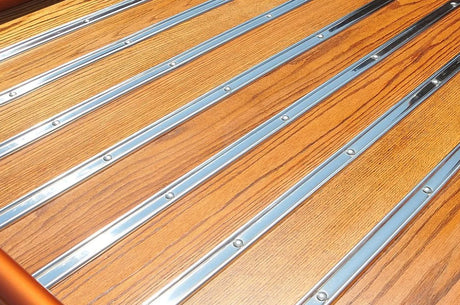
Place the metal bed strips into the grooves of the wood. These strips hold the wood down and cover the gaps. Align the holes in the strips with the cross-members of the truck frame.
Step 4: Drilling and Hardware Insertion
Once everything is aligned, insert your bed bolts through the strips and wood.
If your bed frame is new or custom, you may need to drill holes through the wood using the strips as a template.
Drop the bolts through the strips, through the wood, and finally through the truck's cross-members.
Step 5: Securing the Floor
From underneath the truck, install the washers and nuts.
Crucial Tip: Start all nuts by hand first. Do not tighten them fully until every single bolt is in place. This allows you to "square" the bed and make minor adjustments.
Once aligned, tighten them from the center outward to ensure the floor lays flat.
Check Tightness: After the first few drives, crawl under the truck and re-tighten the nuts, as the wood may settle.
UV Protection: If the truck is stored outside, suggest a bed cover or a wax with UV protectants to keep the wood from fading.
Drainage: Ensure the bed's drainage holes are clear so water doesn't pool on the new wood.
